
Have you ever walked through your home and thought, “Why does it feel so awkward?” Maybe your living room looks stunning in photos, but you rarely use it. Perhaps your kitchen feels cramped even though it’s spacious. Or your home doesn’t flow the way you want it to.
If this sounds familiar, the problem is rarely furniture or décor—it’s poor space planning. Even the most beautiful homes can feel uncomfortable without a well-thought-out layout.
As a residential interior designer with years of experience working in Fairfax County, Loudoun County, and across Northern Virginia, I’ve seen countless homes struggle with the same layout challenges. That’s why residential space planning forms the foundation of every successful home design project, especially in homes where beautiful interiors still feel uncomfortable due to poor flow and inefficient layouts.
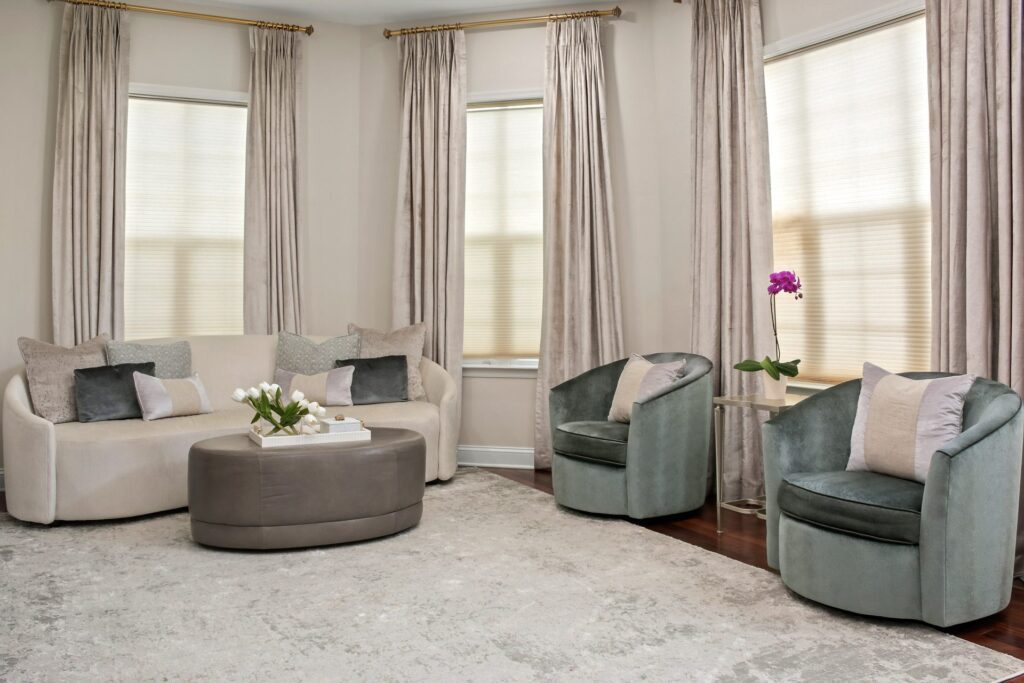
What Is Residential Space Planning and Why Does It Matter
Residential space planning is more than arranging furniture. It’s a strategic approach to organizing interior spaces that balances aesthetics, comfort, and functionality. At its core, it addresses three essential questions:
- How should people move through the home?
- How can rooms serve multiple purposes efficiently?
- How can furniture and décor complement daily life rather than disrupt it?
Without professional planning, even a home with expensive finishes and luxury furnishings can feel cramped, inefficient, or awkward. In contrast, a home with smart space planning feels natural, comfortable, and intuitive.
Common Problems Caused by Poor Space Planning
Here are some real-world examples I see in Northern Virginia homes:
- Blocked circulation: A sofa placed too close to a doorway or hallway can create traffic bottlenecks.
- Underused areas: Corners or extra rooms are often neglected because they don’t serve a clear function.
- Cramped open layouts: Open-concept spaces can feel chaotic if zones aren’t clearly defined.
- Clutter hotspots: Poor planning often leads to furniture that doesn’t fit the space, causing clutter.
These issues may seem minor individually, but together they make daily living frustrating.
How Professional Residential Space Planning Solves These Problems
1. Optimizing Flow and Circulation
Professional designers prioritize circulation planning to ensure smooth movement through a home. Think of it as mapping the natural pathways your family takes from room to room.
Good circulation reduces stress in daily routines. For instance:
- Parents moving quickly from the kitchen to the playroom
- Guests flow effortlessly from the entryway to the living spaces.
- Efficient routes to storage areas, bathrooms, or laundry
Even small adjustments, like angling a console table or repositioning a rug, can drastically improve circulation.
2. Creating Functional Zones
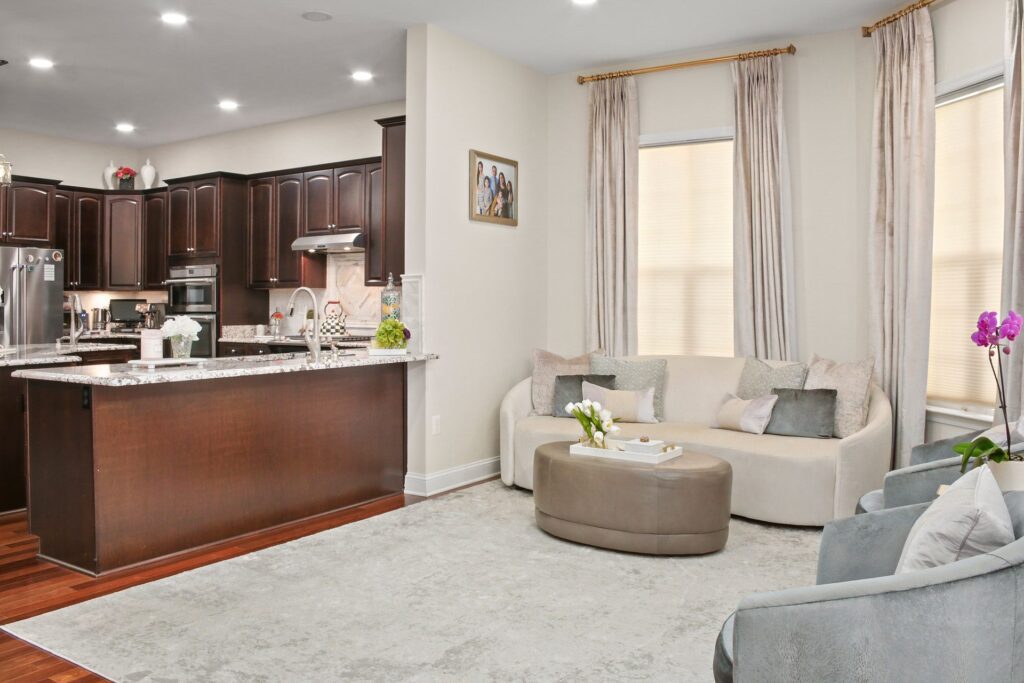
Instead of arranging furniture based on walls, professional designers create zones for specific activities.
Example:
- Living rooms are divided into conversation, media, and reading areas.
- Open kitchens with clear cooking, prep, and dining zones
- Multi-purpose rooms with separate study, play, and storage areas
Functional zoning not only makes rooms more usable but also helps a home feel organized, welcoming, and intentional.
3. Furniture Placement That Works
Furniture isn’t just decoration—it’s a tool for enhancing comfort and usability.
Professional placement considers:
- Proportions relative to room size
- Sightlines for open-plan layouts
- Accessibility and clearance for daily activities
For example, placing a sofa too far from a focal point like a fireplace or TV can disrupt the flow of a living room. Designers use furniture zoning principles to prevent such inefficiencies.
4. Maximizing Storage and Utility
A well-planned home anticipates storage needs. Designers often integrate:
- Built-in cabinets in awkward spaces
- Hidden storage under stairs or seating
- Multi-functional furniture, like storage ottomans
Smart storage keeps homes tidy without compromising style or comfort.
5. Long-Term Flexibility
Homes evolve. Families grow, lifestyles change, and needs shift. Space planning considers the future of the home, such as
- Rooms adaptable to new functions (office → nursery → guest room)
- Layouts that accommodate aging-in-place
- Furniture and zone flexibility for growing families
This ensures that your investment continues to serve your life for years to come.
Why DIY Space Planning Often Fails
Online inspiration sites and Pinterest boards prioritize visuals over practicality. Homeowners attempting DIY layouts often miss key considerations:
- Proper circulation paths
- Scale and proportion of furniture
- Lighting impact on flow
- Functional zoning for multi-use rooms
Without professional guidance, even well-intentioned layouts can feel chaotic or inefficient, prompting homeowners to eventually hire residential interior designers.
Space Planning as the Backbone of Interior Design
Space planning is the foundation upon which all other design decisions are made. Professional designers link space planning with:
- Lighting design
- Material and finish selection
- Furniture and décor placement
- Functional storage solutions
Homes with poor planning can’t be “fixed” by surface-level choices. Space planning is the structural solution that makes everything else effective.
Northern Virginia Homes: Unique Considerations
Homes in Fairfax County, Loudoun County, Arlington, and surrounding Northern Virginia areas often have specific challenges:
- Older construction with smaller or segmented rooms
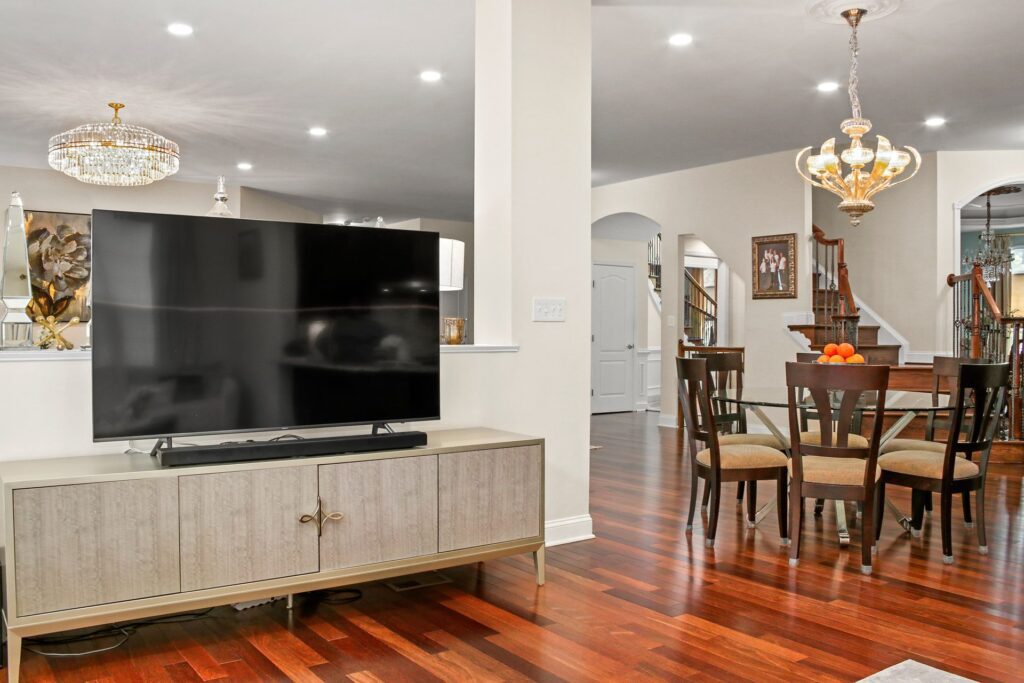
- Open-concept layouts without functional zoning
- Homes optimized for sale rather than everyday life.
Professional residential space planning transforms these homes, ensuring they meet modern needs without extensive renovations.
Practical Tips You Can Implement Today
Even without hiring a designer, homeowners can start improving their space:
- Observe traffic flow—note any blocked or awkward paths.
- Identify dead zones—consider adding functional storage or activity areas.
- Group furniture by function—create conversation, media, or reading zones.
- Use rugs or lighting to define zones in open-plan spaces.
- Prioritize scale—avoid oversized furniture that dominates the room.
These simple steps give a glimpse into the value a professional designer brings.
Frequently Asked Questions
1. What is the difference between space planning and interior decorating?
Space planning organizes function and flow, while decorating focuses on aesthetics. Both are necessary for a truly livable home.
2. Can space planning improve small or cramped homes?
Absolutely. Efficient layout design maximizes functionality, even in smaller spaces.
3. Do all residential interior designers include space planning?
Professional full-service interior designers integrate space planning into their process. It is the foundation of functional design.
Conclusion: Homes Should Work As Well As They Look
Residential space planning is more than a design step—it’s the key to a home that feels effortless, comfortable, and intuitive.
When done professionally:
- Circulation is smooth
- Rooms serve their intended purposes.
- Furniture placement supports everyday living.
- The home adapts to your life over time.
Investing in professional residential space planning ensures your home is not just beautiful—it’s truly livable.
This is the difference between a house you admire and a home you love.