
Choosing the right shade of white paint seems simple—until you realize there are hundreds of whites, each reacting differently to light, furniture, and finishes. If you’ve ever wondered how to choose the right shade of white paint, how to pick the perfect white, or even which shade of white is best, this guide breaks the process down into a clean, easy spectrum: cool whites to warm whites.
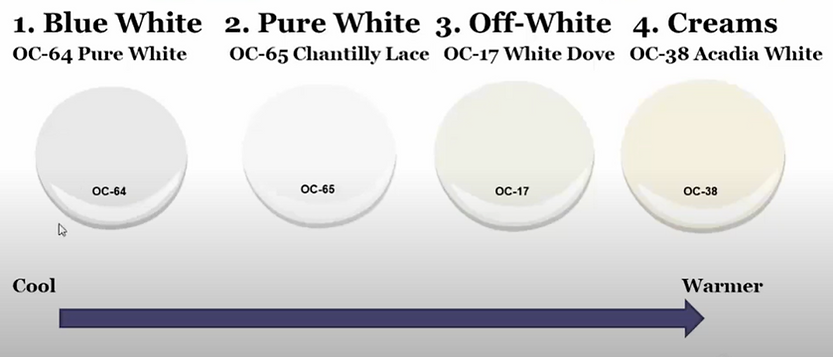
Interior designers and color specialists generally categorize whites into four families: Tinted Whites, Pure Whites, Off-Whites, and Creams. Understanding these categories helps you decide how to choose the perfect white for your bedroom, living room, or even the perfect white exterior.
Understanding the White Spectrum
1. Tinted Whites (Cool Whites)
Tinted whites have subtle undertones—usually blue or gray—that make them crisp and modern.
For example, Benjamin Moore OC-64 Pure White is not truly “pure.” It carries a cool tint that works beautifully in bright light or minimalist spaces.
If you’re searching for the best white paint for interior walls that feel fresh, clean, and modern, cool whites are an excellent place to start.
2. Pure Whites
Pure whites have no noticeable tint and give a true, balanced white appearance.
A popular reference is Benjamin Moore OC-65 Chantilly Lace is one of the most recommended when people ask, “How to choose white paint that works in any room?” It looks bright without feeling stark, making it a safe choice if you’re unsure which white looks best on me—or my home?
3. Off-Whites
Off-whites carry soft, warm undertones like beige or greige.
Benjamin Moore OC-17 White Dove is a designer favorite because it’s calming and works beautifully with most interior finishes.
If you have warm flooring, beige tiles, or natural wood tones, off-whites are usually the best white paint for walls because they blend instead of clash.
4. Creams (Warm Whites)
Creams bring warmth, softness, and comfort into a space.
Benjamin Moore OC-38 Acadia White is a great example—it adds gentle warmth that looks inviting in bedrooms, hallways, and traditional interiors.
When choosing the perfect white for a bedroom or living room, creams often create the coziest, most relaxing atmosphere.

How to Pick the Right Shade of White (Without Overthinking It)
Tip 1: Use Reference Colors to Understand Undertones
The Benjamin Moore colors mentioned above are excellent tools when you’re learning how to choose white paint or what white paint is best for walls. Even if you aren’t buying these exact paints, comparing undertones will help you understand whether a white is warm or cool.
Tip 2: Match the White to Your Fixed Finishes
Your cabinets, flooring, countertops, and tiles decide whether you need a cool or warm white.
For example:
- Brown or wood cabinets pair best with off-whites or creams
- Gray flooring looks better with tinted (cool) whites
- Modern spaces with natural light look amazing with pure whites
This makes it easier to know how to choose the perfect white for your living room, bedroom, or exterior without guessing.
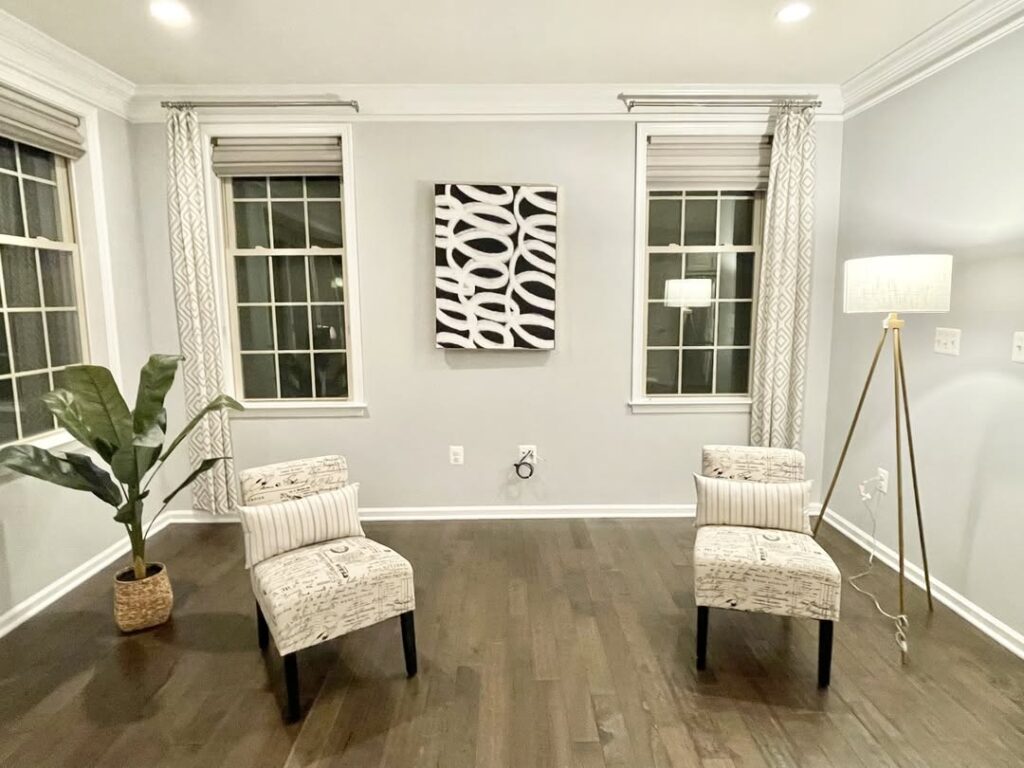
Can You Make the Perfect White Color?
If you’ve ever wondered, “How to make the perfect white color?” the answer is understanding undertones first. Every “perfect white” is perfect only when it complements your lighting and finishes.
Final Thoughts
Choosing the right white paint isn’t about selecting the brightest can on the shelf—it’s about harmony, balance, and how your home feels. Whether you’re selecting the best white paint for interior walls, figuring out how to choose the perfect white exterior, or simply trying to pick the right shade of white paint, always test samples in your actual lighting. Morning light, warm bulbs, and shadows can completely transform a shade.
A thoughtful, strategic approach will help you pick a white that elevates your space and ties everything together beautifully.
Nadiha Chaudri, MBA, PMP
Certified Color Consultant