When homeowners invest in interior upgrades, the focus is usually on beauty, comfort, and personal taste. But what many don’t realize is that certain design decisions can quietly impact resale value—sometimes without any obvious warning signs.
As a residential interior designer working with homeowners across Northern Virginia, I’ve seen beautifully renovated homes struggle on the market because of avoidable interior choices. The issue is rarely the budget. It’s the strategy behind the decisions.
Resale value is influenced not just by location or square footage, but by how a home functions, flows, and feels to a potential buyer walking through the door for the first time.
Let’s look at the design decisions that most commonly reduce long-term value—and why they matter.
1. Poor Layout Modifications That Disrupt Flow
Space planning is one of the most critical factors in both livability and resale. Yet many renovations unintentionally compromise the layout.
Examples include:
- Removing walls without redefining functional zones
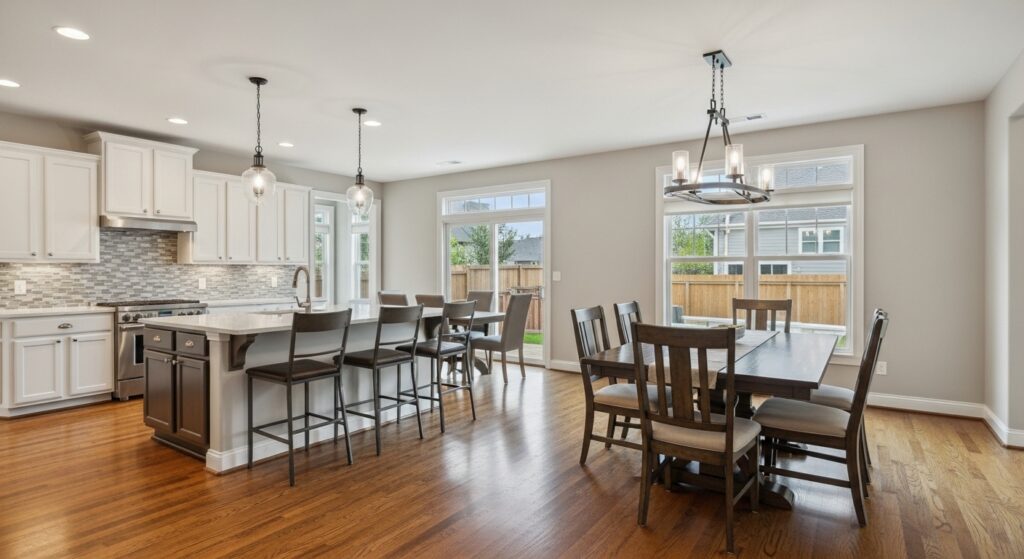
- Oversized kitchen islands that restrict circulation
- Converting dining areas into undefined open space
- Eliminating bedrooms to enlarge primary suites
While these changes may feel luxurious in the moment, they can narrow buyer appeal. Buyers evaluate homes based on practicality. If movement feels awkward or the room’s purposes are unclear, it creates hesitation.
A well-designed home should guide people naturally from one space to another. For those planning significant structural changes, our strategic structural remodeling ensures that modifications enhance flow rather than create bottlenecks that deter future buyers.
2. Over-Personalization That Limits Buyer Imagination
Your home should reflect your personality. However, extreme personalization can reduce emotional connection for future buyers.
Design choices that commonly create friction:
- Highly thematic rooms
- Permanent bold color applications
- Custom-built-ins designed for niche hobbies
- Unusual material combinations that don’t age well
Buyers need to visualize themselves living in the space. If design choices dominate the identity of the home, they may see renovation costs instead of opportunity.
Timeless, adaptable interiors protect value because they create flexibility. Strategic personalization can still exist—but it should enhance, not overpower.
3. Sacrificing Storage for Aesthetics
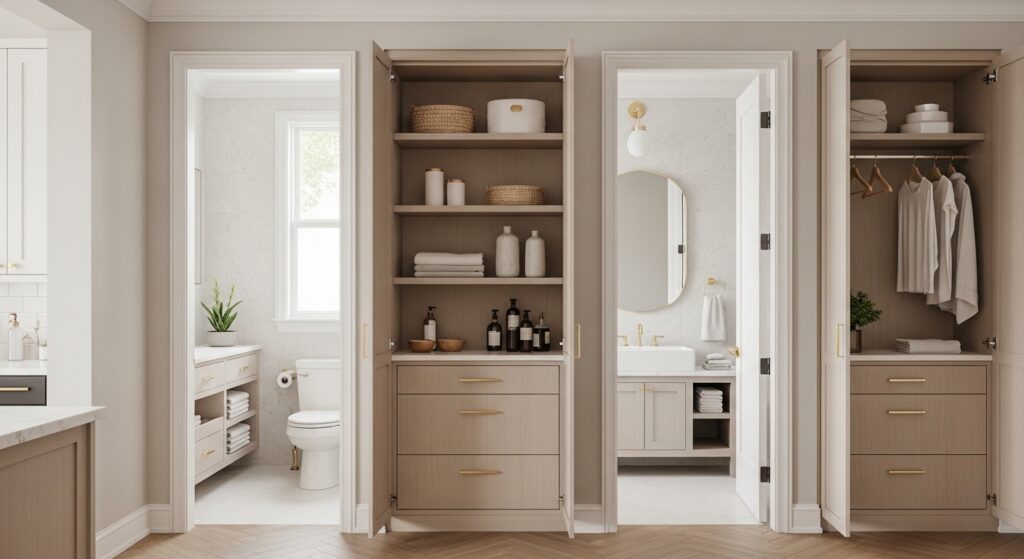
Modern design trends sometimes prioritize minimalism at the expense of practicality. Removing upper kitchen cabinets, eliminating closets to expand bathrooms, or choosing open shelving exclusively can feel visually appealing.
However, buyers consistently rank storage as a top priority.
Inadequate storage creates daily frustration, and buyers anticipate that frustration immediately. Even in luxury properties, insufficient storage can reduce perceived value.
Thoughtful interior design integrates hidden storage solutions that preserve both elegance and usability. When storage feels intentional rather than compromised, it strengthens market appeal.
4. Ignoring Lighting Strategy
Lighting has a powerful psychological effect on how a home is perceived.
Common mistakes include:
- Relying solely on overhead lighting
- Poorly placed recessed fixtures
- Inadequate natural light enhancement
- Warm and cool light temperatures are mixed inconsistently
Lighting influences mood, depth perception, and material appearance. A poorly lit home feels smaller, colder, and less inviting—regardless of renovation cost.
Layered lighting—ambient, task, and accent—creates dimension and warmth. Buyers often respond emotionally to lighting before they consciously evaluate design.
5. Trend-Heavy Renovations Without Longevity
Trends are appealing because they feel current and exciting. But interior trends evolve quickly.
Ultra-modern kitchens, bold tile patterns, and very specific color schemes can become dated faster than homeowners expect. When buyers see outdated trends, they mentally calculate replacement costs.
The goal isn’t to avoid trends entirely—it’s to anchor design in timeless elements while incorporating trend details in flexible ways. This approach is central to our residential full-service interior design, ensuring your home remains both stylish and a sound investment for years to come.
6. Removing Functional Rooms
Another overlooked decision that can reduce resale value is removing or repurposing rooms that buyers expect.
Examples:
- Converting a bedroom into a walk-in closet
- Removing a formal dining room without adding usable flex space
- Turning a garage into a gym without maintaining parking functionality
Even if the design feels luxurious, reducing bedroom count or eliminating essential spaces can directly impact appraisal value and buyer demand.
Function often outweighs aesthetic upgrades in real estate decisions.
7. Inconsistent Design Flow Throughout the Home
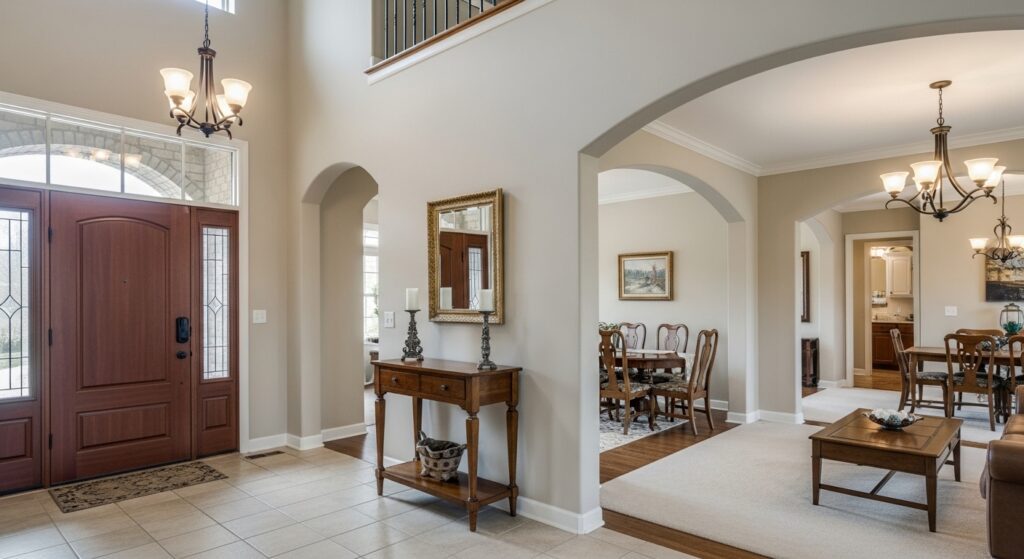
A home should feel cohesive from entry to private spaces. When each room follows a dramatically different style, buyers perceive a lack of planning.
Consistency in:
- Color undertones
- Material palettes
- Architectural details
- Lighting styles
creates harmony. Cohesion doesn’t mean uniformity—it means thoughtful transitions.
Homes that feel intentionally designed tend to sell faster and at stronger price points because buyers perceive quality and care.
8. Failing to Consider Long-Term Market Expectations
Interior design should consider both present comfort and future adaptability.
In Northern Virginia markets such as Fairfax County and Loudoun County, buyers increasingly prioritize:
- Functional home offices
- Flexible living areas
- Energy-efficient lighting
- Practical storage solutions
- Clear, intuitive layouts
Homes that fail to reflect evolving lifestyle expectations may appear outdated—even if they are structurally sound.
Strategic planning ensures that design decisions remain relevant to market trends without overcommitting to fleeting styles.
The Strategic Approach to Protecting Resale Value
The strongest interior investments are those that:
- Improve layout efficiency
- Enhance functionality
- Maintain visual balance
- Avoid overspecialization.
- Support long-term adaptability
Before making major design changes, it’s important to evaluate whether the decision improves daily living without limiting future appeal.
Professional guidance through an interior design consultation in Virginia can help homeowners make informed choices that protect both comfort and investment.
Final Perspective
Interior design has the power to elevate a home—but without strategic planning, it can also quietly reduce its resale potential.
The key is balance.
A well-designed home should feel personal yet adaptable, stylish yet timeless, and beautiful yet practical. When design decisions are grounded in both experience and foresight, they enhance not only how a home looks today but also how it performs in the market tomorrow.
In real estate, thoughtful design is not just aesthetic. It’s a financial strategy.