
As a residential interior designer, I’ve had the same experience more times than I can count. I walk into a home that looks objectively beautiful carefully chosen furniture, trendy finishes, and perfectly styled accessories, yet the space feels strangely uncomfortable.
The rooms don’t invite you to sit.
The layout feels awkward.
Daily routines feel harder than they should.
Homeowners often struggle to explain it, but they feel it immediately. And almost always, the root cause is the same: the home was designed to look good, not to live well.
This is exactly where professional residential interior design becomes essential.
When a Home Looks Right but Feels Wrong
Many people assume discomfort in a home comes from poor furniture choices or outdated décor. In reality, the issue usually runs much deeper. A home can have expensive finishes and still feel unwelcoming if the design lacks intention.
True interior design for residential spaces is about creating environments that support real life—how you move through rooms, how you relax, how you interact with family, and how your home functions day after day.
Without proper planning, even the most beautiful residential interiors can feel disconnected and impractical.
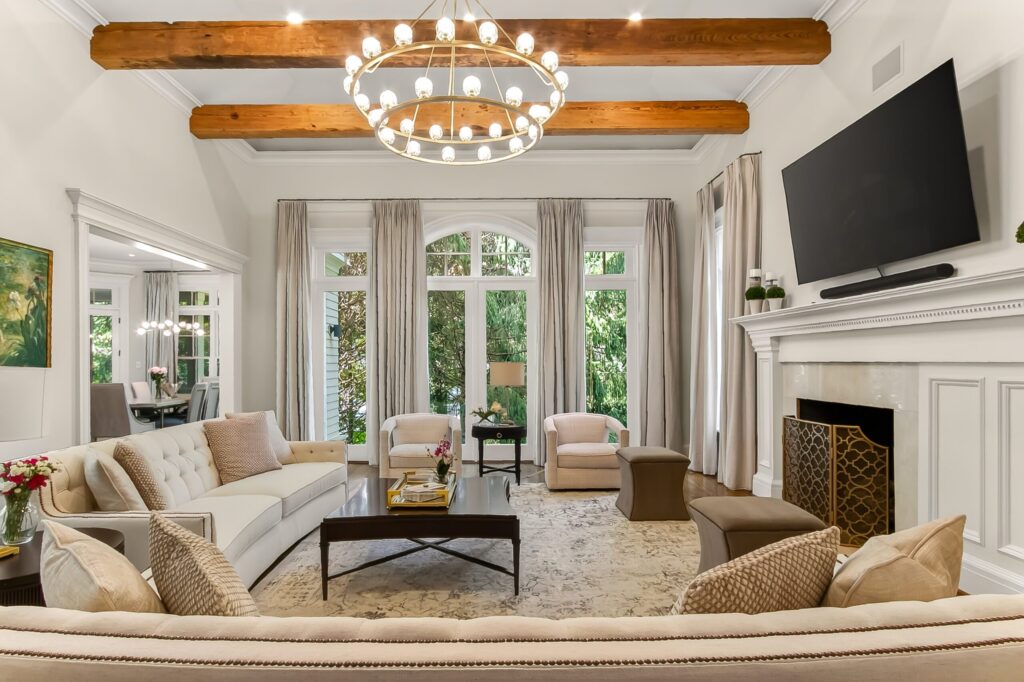
The Difference Between Decorating and Residential Interior Design
One of the most common misunderstandings I encounter is the belief that interior design and decoration are the same thing. A residential interior decorator focuses primarily on aesthetics, colors, finishes, accessories, and styling.
A residential interior designer, on the other hand, starts much earlier in the process.
As a designer, I evaluate:
- How rooms connect and flow into one another
- Furniture scale in relation to room size
- Traffic patterns and circulation
- Natural and artificial lighting balance
- Storage needs and everyday functionality
This strategic planning is what separates professionally designed homes from spaces that only look good in photos.
Why Layout and Space Planning Matter More Than Trends
Trends change quickly, but poor layouts create long-term frustration. I often see homes where furniture blocks natural pathways, seating arrangements discourage conversation, or rooms feel cramped despite ample square footage.
Professional residential interior design services focus heavily on space planning because it directly impacts comfort. When layouts are done correctly:
- Rooms feel open without being empty
- Furniture feels proportional and intentional
- Movement through the home feels effortless
These design decisions are subtle, but they dramatically change how a home feels daily.
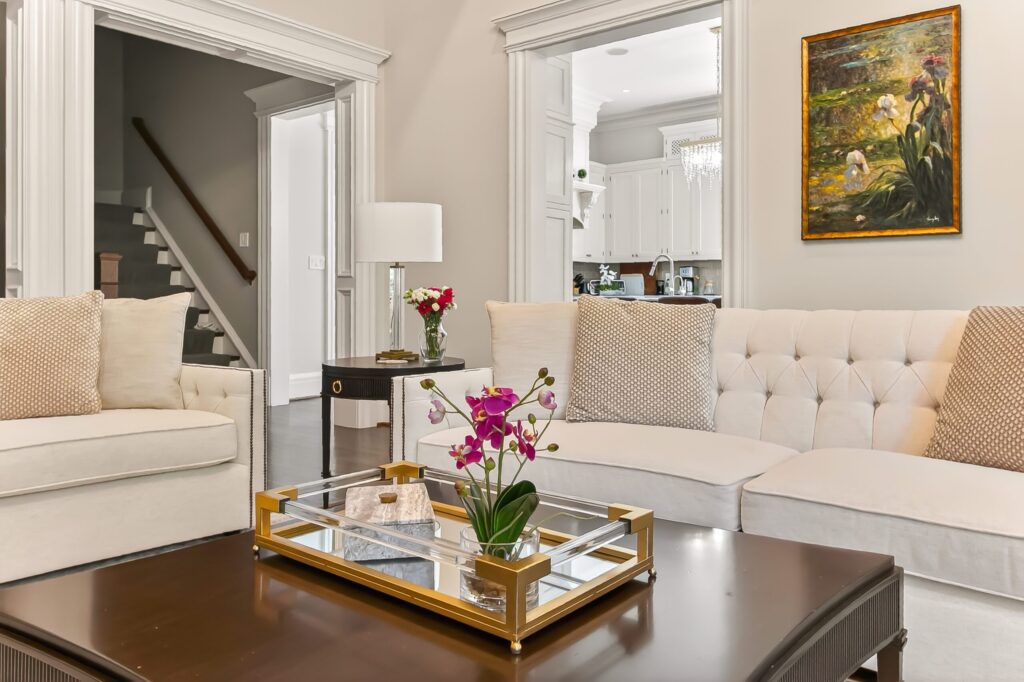
Why Local Expertise Makes a Difference
Homeowners frequently search for residential interior designers near me, and that makes sense. Residential design is not one-size-fits-all. Homes in Virginia have unique architectural styles, proportions, and lifestyle needs that generic design advice often ignores.
Experienced residential interior design firms understand:
- Local home layouts and construction styles
- How natural light behaves throughout the year
- How families in the area actually use their homes
This local understanding allows designers to create interiors that feel intuitive, balanced, and suited to real living—not just visual appeal.
How Full-Service Residential Interior Design Creates Comfort
Discomfort often stems from disconnected decisions—furniture chosen without considering the layout, lighting added as an afterthought, or finishes selected without regard for the overall experience of the space.
With full-service residential interior design, everything works together from the beginning:
- Layouts are finalized before furniture is selected
- Lighting is layered for both function and atmosphere
- Materials are chosen for durability and comfort
- Each room supports the next, creating a cohesive home
This approach is critical during renovations or new builds, where interior planning should align closely with construction decisions. (This is where interior design integrates seamlessly with new build design and remodeling services.)
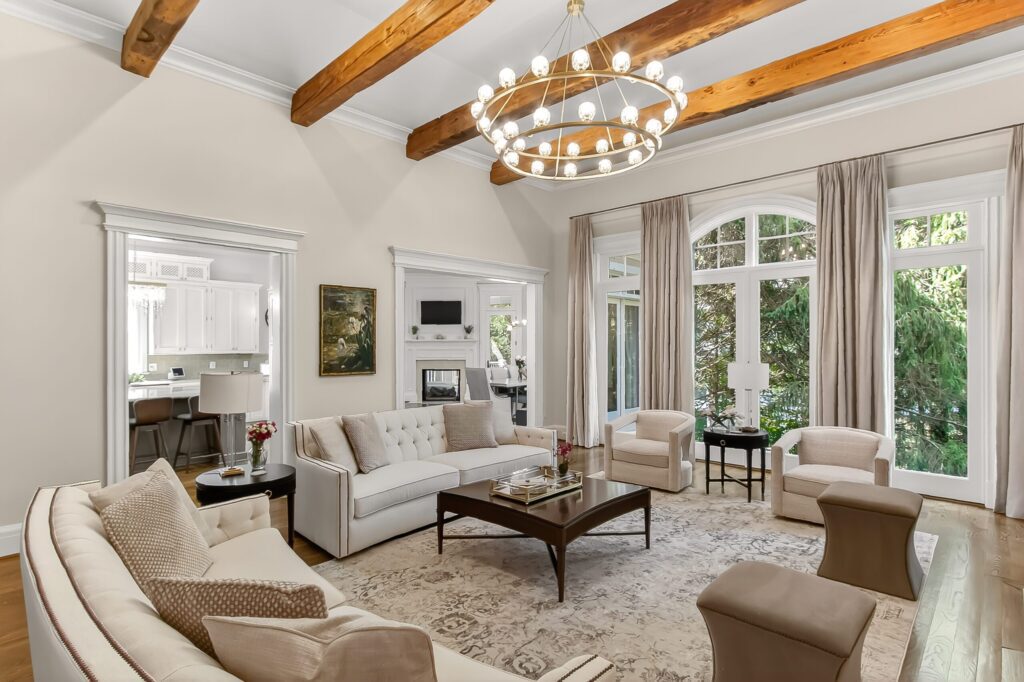
Comfort Is a Result of Thoughtful Design
Comfort doesn’t happen accidentally. It is designed intentionally through careful planning, experience, and attention to detail.
Homes that feel comfortable usually share common qualities:
- Balanced proportions
- Logical layouts
- Soft but effective lighting
- Materials that feel good to live with, not just look at
These are the elements that elevate residential interiors from “nice” to genuinely livable.
A Designer’s Final Perspective
As someone deeply involved in residential design, I can confidently say this: discomfort in a home is rarely about personal taste. It’s about missing structure, planning, and professional insight.
If your home looks beautiful but doesn’t feel right, the solution isn’t more décor—it’s better design.
True residential interior design transforms homes into spaces that support daily life, enhance comfort, and feel natural to live in. When design is done right, your home stops feeling staged and starts feeling like it truly belongs to you.