Fairfax, Virginia is not just another Northern Virginia suburb — it is a layered architectural landscape shaped by colonial heritage, post-war expansion, and modern luxury development. From historic homes near Old Town to spacious properties in newer planned communities, interior styles in Fairfax reflect both tradition and transformation.
For homeowners seeking thoughtful upgrades, understanding the architectural DNA of the area is essential. Professional Interior design Fairfax, VA specialists emphasize that successful renovations respect a home’s structural roots while integrating modern functionality. When history and innovation are balanced correctly, the results feel authentic, valuable, and timeless.
Below is a research-driven look at what defines Fairfax interiors — and how to design within that framework.
1. The Architectural Roots of Fairfax Homes
Fairfax housing inventory is heavily influenced by:
- Colonial-style brick homes
- Split-level and ranch homes (1950s–1970s)
- Craftsman-inspired builds
- Newer transitional luxury homes
According to regional real estate reports, a significant portion of Fairfax County’s single-family homes were built between 1960 and 1990. This means many interiors feature traditional floor plans, formal dining rooms, and compartmentalized living spaces.
Because of this, effective Interior design Fairfax, VA projects often involve subtle layout reconfiguration — opening sightlines while preserving structural character.
2. Why Colonial Influence Still Shapes Interiors
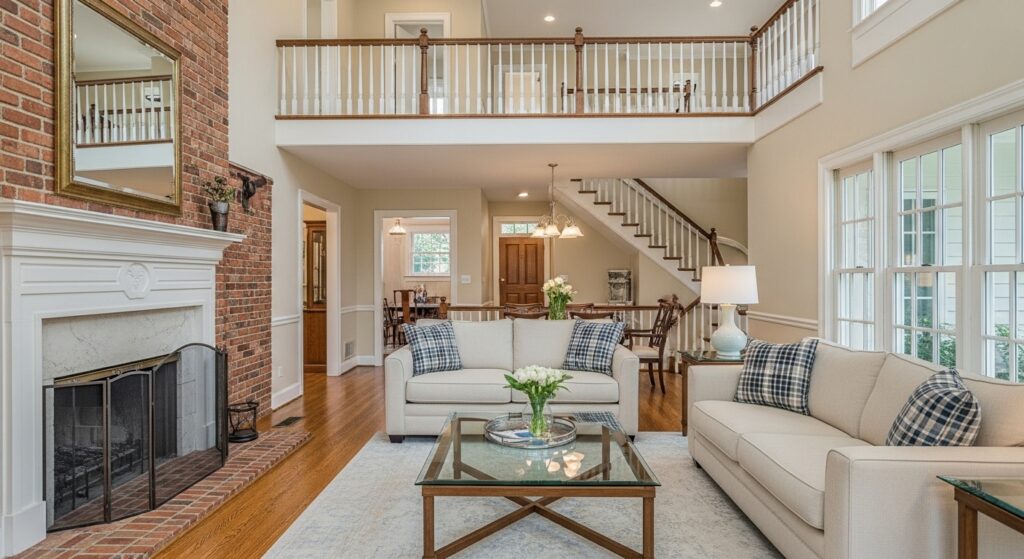
Colonial architecture remains one of Fairfax’s defining features. These homes typically include:
- Symmetrical layouts
- Center hall entryways
- Crown molding and chair rails
- Hardwood flooring
Designers advise preserving these architectural details rather than removing them. Modernization should complement, not erase, heritage features.
One of the most popular Fairfax interior ideas today is blending traditional trim work with contemporary furnishings — for example, pairing classic molding with streamlined sofas or modern lighting fixtures. This hybrid aesthetic feels updated while maintaining architectural integrity.
3. The Rise of the Modern Farmhouse in Fairfax
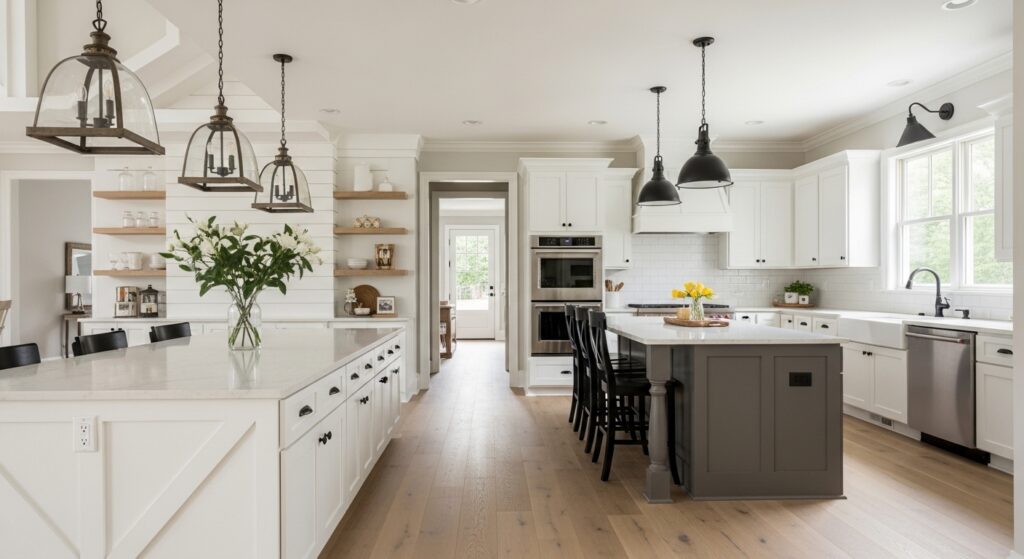
Over the past decade, buyer demand has shifted toward transitional and farmhouse-inspired aesthetics. The modern farmhouse Fairfax trend continues to perform strongly in both renovations and new builds.
Key elements include:
- Neutral color palettes
- Shiplap or paneled accent walls
- Matte black hardware
- Wide-plank oak flooring
- Open kitchen layouts
The reason this style resonates locally is practical: it softens the formal nature of older colonial structures while maintaining warmth and livability. Professional interior design Fairfax, VA experts often recommend incorporating farmhouse elements selectively rather than committing to a full thematic overhaul. Balance is crucial for long-term resale appeal, which is why our residential full-service interior design focuses on creating a sophisticated look that survives changing trends.
4. Open Concept — But With Structural Awareness
Many mid-century Fairfax homes were built with closed floor plans. Today’s buyers prefer open kitchens connected to family rooms. However, load-bearing walls in older construction require strategic planning.
Before removing walls, designers analyze:
- Structural feasibility
- HVAC redistribution
- Lighting redesign
- Flooring continuity
Well-executed layout transformations are among the most valuable Fairfax interior ideas, particularly in neighborhoods with 1970s and 1980s homes. When done professionally, these changes significantly enhance marketability.
5. Natural Light and Window Enhancements
Older Fairfax homes sometimes have smaller windows compared to modern builds. Increasing natural light can dramatically improve both aesthetics and appraisal value.
Designers recommend:
- Enlarging select window openings (where structurally possible)
- Installing lighter window treatments
- Using reflective finishes and mirrors
- Choosing warm white wall colors
These adjustments align with popular modern farmhouse Fairfax styling while also modernizing colonial interiors.
6. Basement Transformations
Fairfax properties frequently include unfinished or partially finished basements. Converting these areas into functional spaces is one of the highest-ROI improvements.
Common basement upgrades include:
- Home offices
- Media rooms
- Guest suites
- Rental-ready in-law units
Local data show that finished basements can significantly increase usable square footage, influencing both buyer interest and appraisal outcomes. Experienced Interior design Fairfax, VA professionals understand how to design basements that feel integrated rather than secondary.
7. Material Preferences in Fairfax
Material selection in Fairfax interiors tends to favor durability and subtle luxury:
- Quartz countertops
- Engineered hardwood
- Porcelain tile
- Brushed brass or matte black fixtures
These materials support both transitional and modern farmhouse Fairfax aesthetics while remaining practical for family living.
A growing number of homeowners are also requesting sustainable materials, reflecting Northern Virginia’s environmentally conscious buyer demographic.
8. Blending Tradition With Contemporary Comfort
The most successful Fairfax interior ideas do not reject tradition — they reinterpret it.
Examples include:
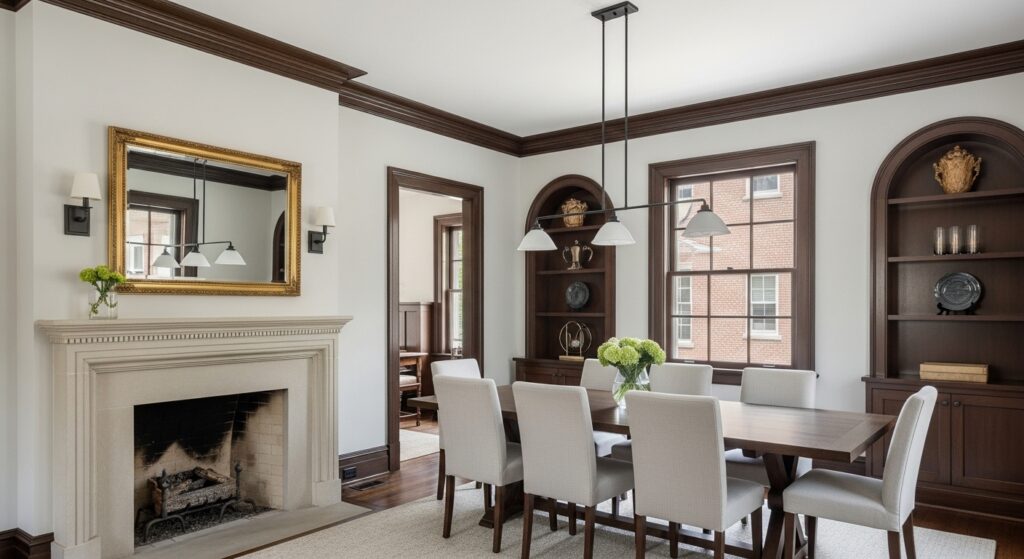
- Updating fireplace surrounds with sleek stone
- Repainting dark wood trim in soft neutrals
- Installing modern pendant lighting in formal dining rooms
- Adding built-in shelving around existing architectural focal points
This layered approach allows homeowners to enjoy modern functionality without compromising the historical tone of their property.
Why Local Expertise Matters
Designing in Fairfax requires understanding more than trends. It demands awareness of:
- Neighborhood property value ceilings
- HOA regulations (in planned communities)
- Structural limitations of older builds
- Buyer demographics
Professional Interior design specialists in Fairfax, VA, consider these variables before recommending renovations. Their role is strategic — not just aesthetic.
Homes that align with architectural context tend to sell faster and at stronger price points than those that ignore local design language.
Final Thoughts
Fairfax interiors are unique because they reflect decades of architectural evolution — from colonial symmetry to contemporary farmhouse warmth. The key to successful renovation lies in respecting that evolution.
By focusing on:
- Preserving historic details
- Introducing selective openness
- Enhancing natural light
- Incorporating transitional and farmhouse elements
- Choosing durable, high-quality materials
Homeowners can create spaces that feel both authentic and modern.
Whether you are updating a 1970s split-level or refining a classic colonial, informed design decisions make the difference. With thoughtful planning and expert guidance, Fairfax homes can achieve interiors that are distinctive, functional, and positioned strongly for long-term value.