Key Takeaways
- Most homeowner regrets trace back to the hiring decision itself, not the design choices, so vetting credentials, pricing, and references upfront matters more than picking the lowest quote.
- The best interior designer consultants in Virginia typically book out weeks or months in advance, so starting the search early gives you access to better talent and a less rushed planning process.
I’m Nadiha Chaudhri, founder of Statement Design Concepts here in Northern Virginia, and if there’s one conversation I have on repeat with new clients, it’s this one: how do you actually choose the right person for a project this personal and this expensive? It’s a fair worry. A Clever Real Estate survey found that 74% of homeowners who’ve completed a remodel have regrets about how it went, and in my experience, most of those regrets trace back to the hiring decision, not the paint colour or the sofa fabric. After years of working as an interior designer consultant in Virginia, here’s what I tell every homeowner before they sign anything.
Quick Overview: The 10 Do’s and Don’ts
- Do check credentials and a real portfolio
- Do ask about pricing structure upfront
- Do look for local Virginia experience
- Do get everything in a written contract
- Do communicate your must-haves early and honestly
- Don’t hire based on price alone
- Don’t skip the consultation, even a virtual one
- Don’t ignore reviews and references
- Don’t assume every “designer” is licensed or certified
- Don’t wait until the last minute to start
1. Do Check Credentials and a Real Portfolio
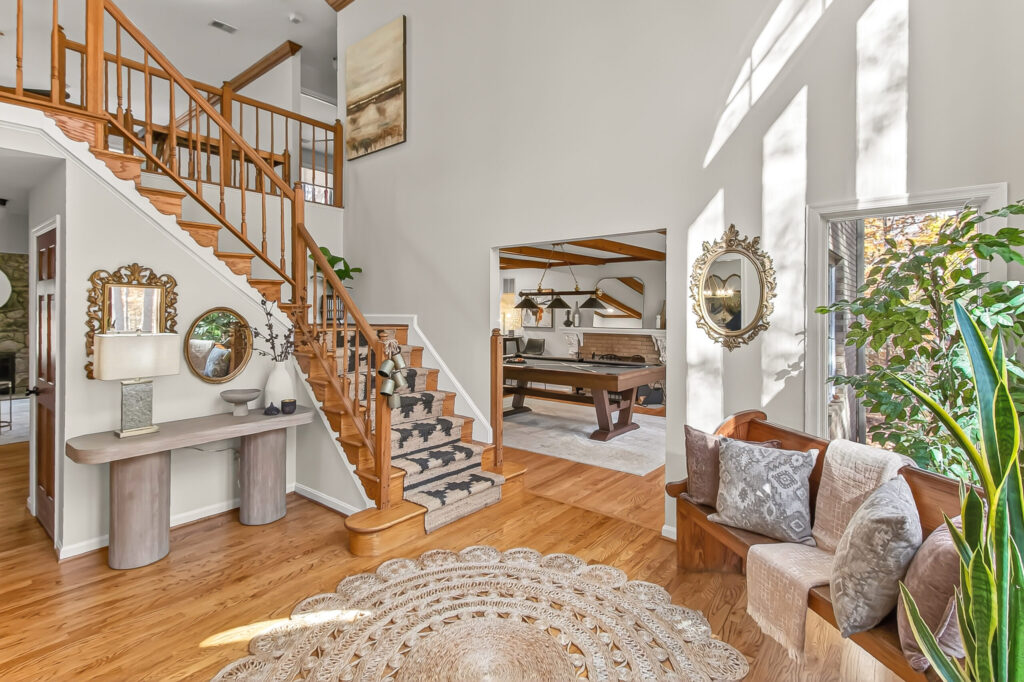
Ask to see full projects, not just polished hero shots. A real portfolio shows a designer’s range across different budgets and home styles, not just their single best photo. This is the fastest way to tell a genuine interior design consultant in Virginia apart from someone reposting inspiration photos as their own work.
What a real portfolio should show you:
- Before-and-after photos, not just staged final shots
- A range of budgets, not only the most luxurious projects
- Both residential and commercial work, if that’s relevant to you
- Testimonials tied to specific, verifiable projects
You can see exactly that kind of range in our own portfolio of completed Virginia projects, residential and commercial both, so you know what to actually look for before you evaluate anyone else’s.
2. Do Ask About Pricing Structure Upfront
Most residential interior designers charge somewhere between $100 and $200 per hour, with total project costs typically landing between $2,000 and $15,000 depending on scope. Some designers bill flat rates per room instead. Neither structure is wrong, but you need to know which one you’re agreeing to before design work starts, not after the first invoice arrives.
Questions to ask before you sign anything:
- Is this hourly, flat-rate, or a percentage of furnishings?
- Does the quote include furniture and materials, or design time only?
- What happens if the scope changes mid-project?
- Is there a minimum project size or fee?
3. Do Look for Local Virginia experience.
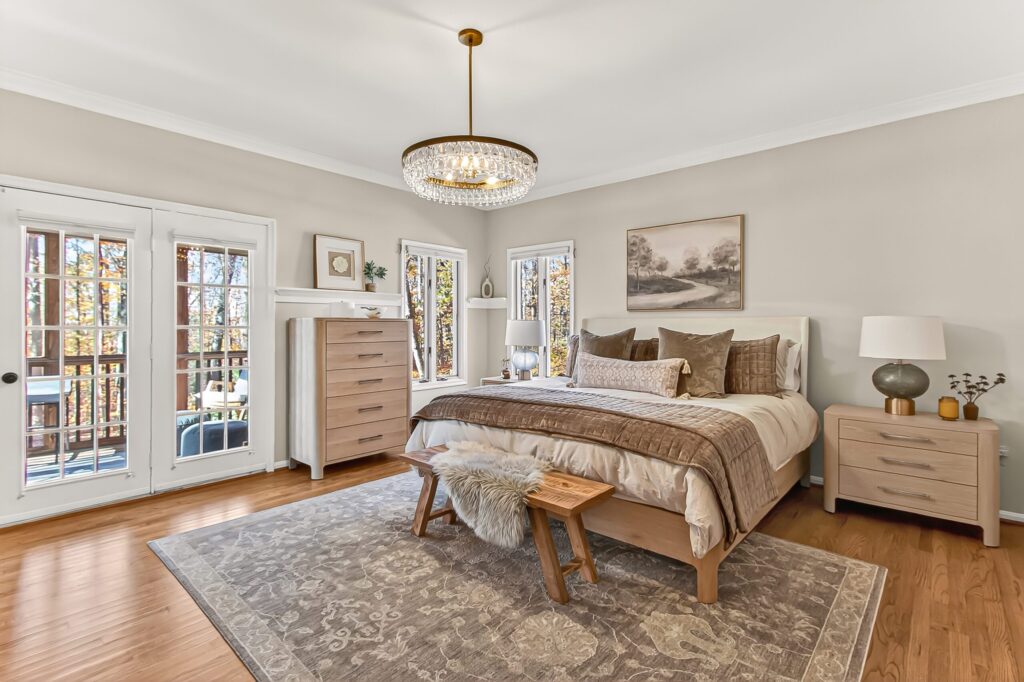
Northern Virginia homes come with their own quirks, older construction, HOA restrictions, and specific permitting processes across McLean, Great Falls, Arlington, and Loudoun County. A designer offering genuine Virginia interior design services who already knows these local realities will save you real time and money compared to someone learning the region on your dime. To see how that local knowledge plays out in real homes, explore the interior design styles that suit McLean homes in 2026.
What local experience actually looks like:
- Familiarity with HOA and permitting requirements in your specific county
- A network of trusted local contractors and vendors
- An understanding of how older Virginia homes are typically built
This is exactly the kind of local expertise built into our own Virginia interior design services, covering everything from historic homes in Arlington to new builds across Loudoun County.
4. Do Get Everything in a Written Contract
Scope, timeline, payment schedule, and what happens if you want to change direction mid-project – all of it belongs in writing. I’ve seen far too many verbal agreements fall apart the moment a budget gets tight or a timeline slips.
A solid contract should spell out:
- The full scope of work and what’s explicitly excluded
- Payment schedule and deposit terms
- Timeline expectations, with built-in flexibility for delays
- The process for approving changes once work has started
5. Do Communicate Your Must-Haves Early and Honestly
Tell your designer what you can’t live without and what you genuinely don’t care about upfront. The best working relationships I’ve had all started with a client who was willing to say “I hate open shelving” or “I need a home office that actually locks” on day one.
6. Don’t Hire Based on Price Alone
The cheapest quote is rarely the cheapest outcome. 57% of DIYers in one national survey said they ended up spending unnecessary money after skipping professional guidance, and I’ve seen the same pattern with clients who chased the lowest bid instead of the best fit.
Red flags a low quote is too good to be true:
- No written contract or vague scope of work
- Reluctance to share past client references
- Pricing that seems far below the local market average
7. Don’t Skip the Consultation, Even a Virtual One
A short call tells you more about compatibility than a dozen portfolio photos ever will. If a “designer” tries to skip straight to a contract without ever really talking to you about the space or your life in it, that’s a signal, not a shortcut. Not sure what to ask on that call? Start with these 15 questions to ask an interior designer before you hire them.
8. Don’t Ignore Reviews and References
Ask for at least one past client you can actually call, not just a testimonial pulled from a website. Nearly two-thirds of DIYers in an ImproveNet survey said they regretted not calling in a professional sooner, which tells you how much weight real client feedback should carry before you commit.
9. Don’t Assume Every “Designer” Is Licensed or Certified
“Interior designer” isn’t always a protected title depending on the state and the type of work involved. Ask directly about training, certification, and how long they’ve been practising, especially if your project involves structural changes or code-related decisions.
Questions worth asking directly:
- What formal training or certification do you hold?
- How many years have you been practising in Virginia specifically?
- Have you handled projects involving structural or code-related changes before?
10. Don’t Wait Until the Last Minute to Start
The best interior designer consultants in Virginia tend to book out weeks or months in advance, especially for full room conversions or new builds. Reaching out early gives you access to better designers and more room in the schedule to actually plan properly instead of rushing decisions.
Finding the Best Fit, Not Just the Best Designer
There isn’t one single “best” answer here. The best interior designer consultant in Virginia for your project is the one whose portfolio, pricing, and communication style actually match what you need, not necessarily the most-followed name on Instagram. I built my own practice around that idea: real conversations before contracts and a portfolio that reflects actual client homes, not just showroom staging.
If you’re starting to think seriously about hiring an interior designer in Virginia, don’t wait until your ideal timeline slips away. Reach out to our team today, and let’s have that first honest conversation about your project, your budget, and what you actually want the space to feel like.
Frequently Asked Questions
Most residential interior designers charge between $100 and $200 per hour, with full projects typically ranging from $2,000 to $15,000 depending on scope, though some designers use flat rates per room instead of hourly billing.
sk to see a full portfolio with before-and-after photos, request at least one past client you can actually contact, and confirm their training or certification directly, especially for projects involving structural or code-related changes.