I have lost count of how many times a client has walked into a consultation and used the words “modern” and “contemporary” like they mean the same thing. They do not. And the confusion is understandable because both styles share a commitment to clean lines and uncluttered spaces. But once you understand the distinction, you see it everywhere, and you can make far more intentional decisions about your own home. Here is everything you need to know about modern vs contemporary interior design, the real differences between them, and how to choose which direction is right for your space.
What Is Modern Interior Design?
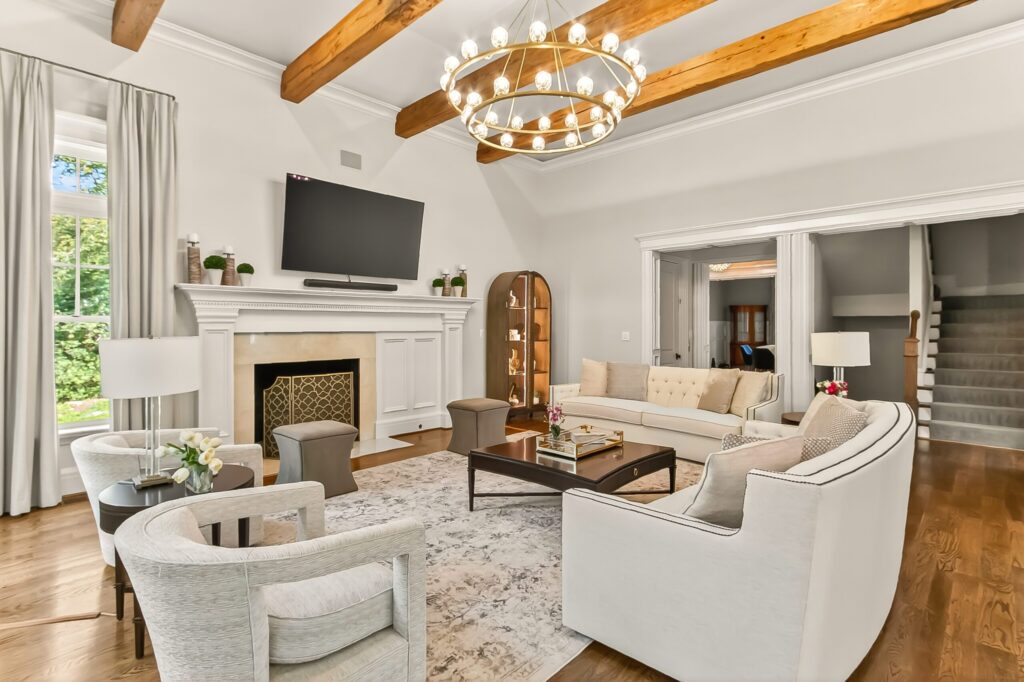
In interior design, the word “modern” has a specific historical meaning. It refers to the Modernist design movement that emerged roughly between the 1920s and 1960s. This was the era that gave us mid-century modern furniture, Bauhaus architecture, and the design philosophy that form follows function.
Modern interior design is a fixed point in history, not a description of anything new. When someone calls a space “modern,” they are technically referencing this movement, with its:
- Clean, geometric lines with no decorative flourishes
- Warm, earthy color palettes: tans, browns, creams, terracottas, and warm whites
- Natural materials: teak, walnut, leather, wool, linen, and stone
- Furniture with purpose – every piece earns its place by being useful
- Exposed structural elements like wood beams, brick, and concrete
- Minimal ornamentation – art and accessories are intentional and sparse
The emotional quality of a modern interior is warmth and groundedness. It feels anchored. Organic. Quiet. Think of the iconic Eames lounge chair, a walnut credenza, a leather sofa against white walls with a single well-chosen piece of art. That is modern design.
What Is Contemporary Interior Design?
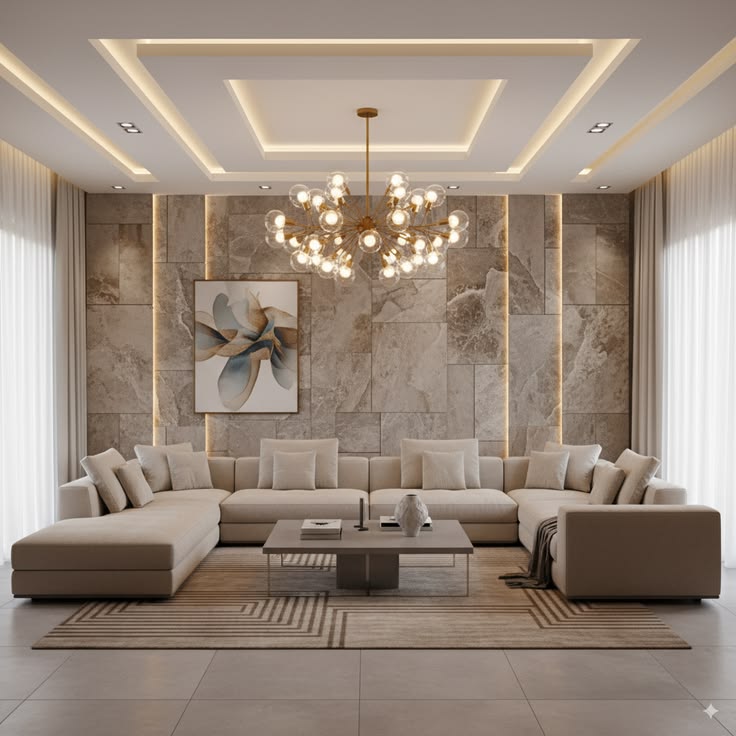
Contemporary interior design is something entirely different. Rather than referencing a fixed historical period, contemporary design means whatever is happening right now. It is a moving target – contemporary in 2000 looked different from contemporary in 2015, which looks different from contemporary in 2026.
This makes contemporary design inherently harder to define, but its 2026 characteristics are quite clear:
- Curved, organic, sculptural forms – the hard geometry of earlier decades has softened
- Warmer, earthier color palettes: sage green, terracotta, warm beige, dusty blush
- Mixed materials and textures: bouclé upholstery, ribbed velvet, natural wood, brushed brass, rattan
- Biophilic design elements: indoor plants, natural light maximization, living walls
- Sustainability as a conscious choice – recycled materials, eco-friendly finishes
- Bold accent pieces – a contemporary room will absorb a statement lamp or an unexpected color in a way modern design typically would not
The emotional quality of a contemporary interior is dynamic, tactile, and layered. It feels current. It feels like it belongs to right now, not to a design archive.
Modern vs. Contemporary Interior Design: Key Differences at a Glance
| Feature | Modern Interior Design | Contemporary Interior Design |
|---|---|---|
| Time reference | Fixed: 1920s-1960s Modernist movement | Fluid: reflects current design trends |
| Color palette | Warm neutrals, earthy browns, warm whites | Warmer earthy tones, sage, terracotta, dusty blush |
| Materials | Natural: wood, leather, stone, linen | Mixed: bouclé, velvet, rattan, recycled materials |
| Forms | Geometric, angular, structured | Curved, sculptural, organic |
| Furniture style | Functional, low-profile, minimal detail | Trend-led, expressive, often statement pieces |
| Decoration | Strict minimalism, intentional objects | Flexible, layered, allows more personality |
| Nature in design | Implied through natural materials | Explicit biophilic design, plants, natural light |
| Overall feel | Warm, grounded, timeless | Dynamic, current, tactile |
Materials and Color: Where the Difference Is Most Visible
The material palette is where modern and contemporary design diverge most clearly.
Modern design reaches for authenticity: solid teak, walnut, or oak furniture; leather upholstery; concrete and stone surfaces; chrome or brushed steel hardware. The materials feel honest and connected to nature. Colors stay within a warm, restrained range – you would never find an aggressively bold accent wall in a strictly modern interior.
Contemporary design in 2026 is more adventurous with texture. Bouclé sofas, ribbed linen cushions, rattan pendant lights, and brushed brass fixtures sit alongside more traditional natural wood to create a layered, sensory experience. The color story has evolved from the cool grays and stark whites that defined contemporary design a decade ago toward a warmer, earthier palette – sage green, terracotta, warm putty, and deep olive now dominate contemporary spaces.
Furniture and Form: A Study in Contrast
Pull up a 1956 Saarinen Tulip chair alongside a 2026 curved bouclé armchair and you see the modern vs contemporary furniture contrast immediately.
Modern furniture is defined by:
- Low, horizontal profiles
- Tapered wooden or metal legs
- Minimal upholstery detail
- Geometric cushions and clean seams
- Function as the primary design brief
Contemporary furniture in 2026 is defined by:
- Curved, rounded silhouettes – arched backs, rounded arms, sculptural bases
- Tactile, textured upholstery: bouclé, velvet, ribbed linen
- Statement pieces that anchor a room’s personality
- Comfort as a conscious priority alongside aesthetics
- Mixing eras and materials within a single piece
Can You Mix Modern and Contemporary?
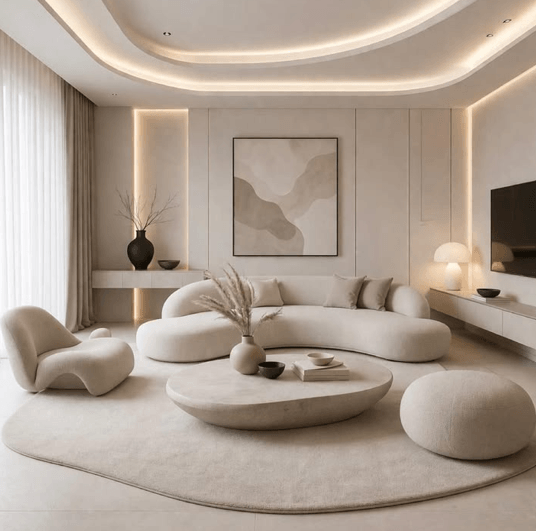
Yes – and this is actually one of the most rewarding approaches to interior design. The term “modern contemporary” describes a space that takes the structural principles and natural warmth of Modernism and layers in current trends and materials.
A floor-to-ceiling glass wall paired with a curved bouclé sofa. A walnut dining table surrounded by sculptural chairs with arched backs. A mid-century credenza under a contemporary arched brass floor lamp. These combinations work because both styles share an underlying respect for simplicity and intentionality – the layering of their differences is what creates visual interest.
The key is balance. Let one style provide the architectural foundation and the other provide the decorative layer.
Which Style Is Right for Your Home?
Choose modern design if:
- You prefer warm, natural materials over manufactured textures
- You want a timeless aesthetic that does not require updating as trends shift
- Your architecture has mid-century or minimalist bones
- You prefer restraint in decoration with everything serving a clear purpose
- Your palette leans toward warm browns, tans, and natural tones
Choose contemporary design if:
- You enjoy engaging with current design trends and refreshing your space over time
- You want texture and tactility as central design elements
- Biophilic elements like plants and natural light are important to you
- You like mixing influences and periods within a single space
- Sustainability and eco-conscious material choices are a priority for you
After years of walking through homes across McLean, Great Falls, and the rest of Northern Virginia, a few specific things give away more than almost anything else. I cover a different set of signals in what your home says to an interior designer in Northern Virginia.
Conclusion
The confusion between modern and contemporary interior design is one of the most common in the industry – and it matters because choosing the wrong label means designing toward the wrong aesthetic. Modern design is historical, warm, natural, and fixed. Contemporary design is current, evolving, tactile, and trend-responsive. Both are beautiful. Both can exist in the same home. The difference is in how you want your space to feel and how much you want that feeling to stay constant over time.
If you are planning a new interior project and want expert guidance on which direction fits your space, lifestyle, and long-term vision, our design team is here to help.